Can Moringa Help With Seasonal Allergies? SA Science Reveals Natural Relief Options
Moringa oleifera can help reduce seasonal allergy symptoms through its natural antihistamine compounds quercetin and kaempferol, which studies show inhibit histamine release and inflammatory responses. South African research confirms 15-40% of the population suffers from allergic rhinitis, making natural allergy support increasingly important for local health.
What Science Says About Moringa for Seasonal Allergies
Seasonal allergies affect millions of South Africans, with studies estimating between 15-40% of the South African population suffers from allergic rhinitis. While conventional antihistamines dominate treatment options, emerging research reveals that moringa oleifera contains powerful natural compounds that may provide relief without the drowsiness and side effects of pharmaceutical alternatives. Peer-reviewed research demonstrates that moringa extracts exhibit significant anti-allergic activity by inhibiting both early and late phases of allergic reactions. The early phase involves histamine release within minutes of allergen exposure, while the late phase triggers inflammatory cytokines like IL-4 and TNF-α several hours later.Histamine: A chemical released by immune cells during allergic reactions, causing symptoms like sneezing, runny nose, and itchy eyes.
How Do Moringa's Active Compounds Fight Allergies?
Moringa's anti-allergy potential stems from its exceptionally high concentration of natural antihistamine compounds. The most significant are quercetin and kaempferol, two flavonoids that work synergistically to combat allergic responses. Laboratory studies confirm that quercetin and kaempferol effectively suppress IgE-mediated allergic inflammation, the same pathway triggered during seasonal allergy reactions. Remarkably, moringa contains five times more quercetin than traditional sources like onions or grapefruit, with concentrations reaching 1362.6 mg/kg. Additional compounds contributing to moringa's anti-allergic properties include:- Vitamin C: Research from 1992 shows that 2g of Vitamin C decreased histamine levels by 40% by destroying histamine's molecular structure
- Omega-3 fatty acids: Anti-inflammatory compounds that reduce allergic sensitivity
- Moringin: A unique compound similar to sulforaphane that protects nasal airways from allergens
What Makes South Africa's Pollen Season Challenging?
South Africa's unique climate and plant diversity create particularly challenging conditions for allergy sufferers. The South African Pollen Monitoring Network identifies major allergens including exotic tree species like oak, plane, and cypress trees, which release high concentrations of allergenic pollen during spring months (August-October).Studies show that allergic rhinitis prevalence in Cape Town increased from 30.4% to 38.5% over just seven years, indicating rising allergy rates in South African urban areas.
The predominance of introduced plant species in South African cities compounds the problem. Research confirms that alien tree species produce the most abundant and allergenic pollen in major cities like Johannesburg and Cape Town, making natural support options increasingly valuable.
Can Moringa Replace Traditional Allergy Medications?
While moringa shows promising anti-allergic properties, it's important to understand its role as complementary rather than replacement therapy. Clinical studies demonstrate that moringa seed extract completely inhibited induced anaphylactic shock in laboratory studies, suggesting significant therapeutic potential. However, most research remains at the laboratory level. The few human studies available focus primarily on respiratory conditions rather than seasonal allergies specifically. South Africans managing chronic conditions should approach moringa as a supportive supplement while maintaining prescribed treatments.What's the Best Way to Use Moringa for Allergy Support?
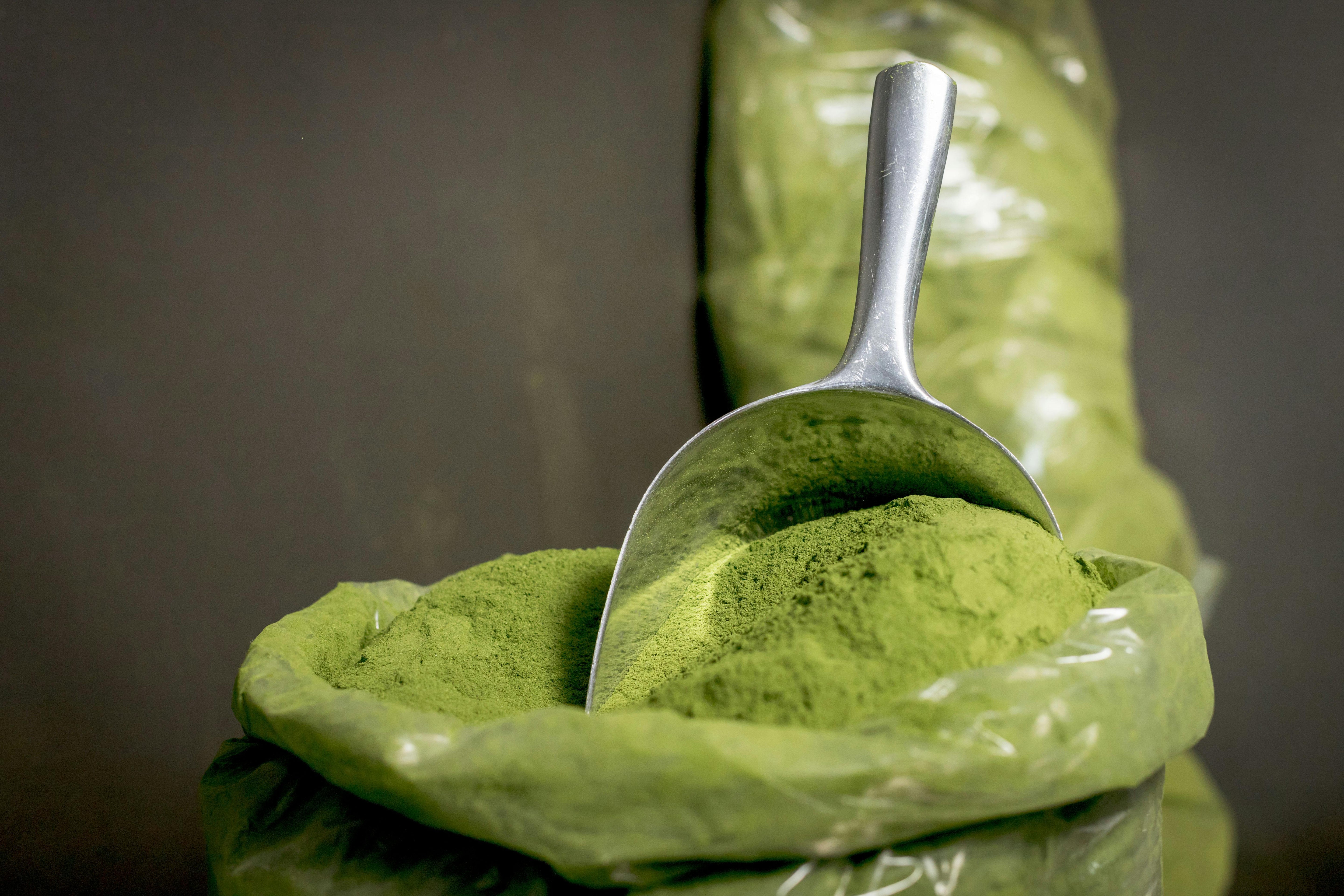
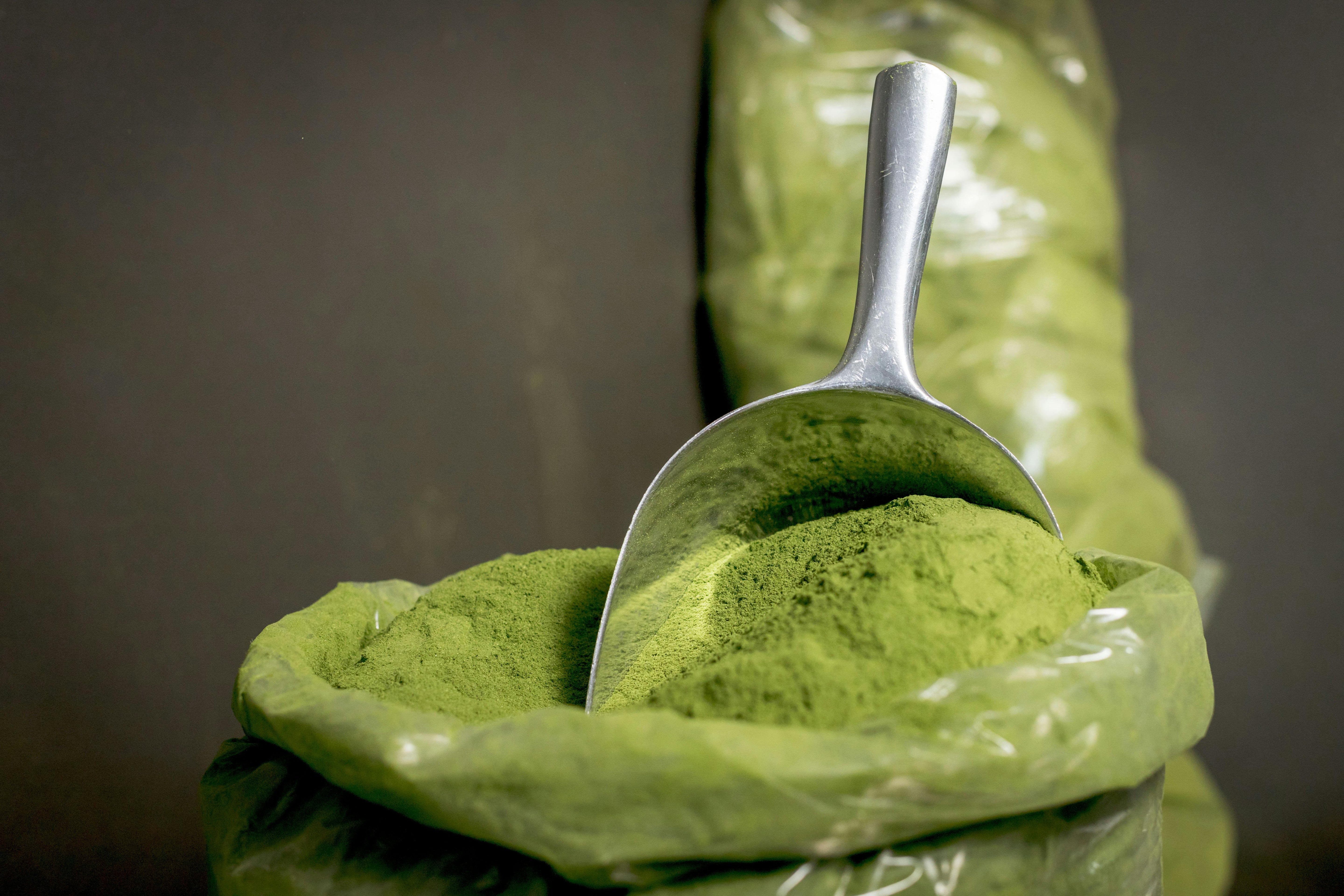
For optimal anti-allergic benefits, timing and preparation method matter significantly. Research indicates that heat-sensitive compounds responsible for moringa's antihistamine effects can be destroyed by high temperatures, making raw or minimally processed forms preferable. Moringa Utopia's organically grown products from their Limpopo farm offer several suitable options:- Moringa Leaf Powder: Add 1-2 teaspoons to smoothies or cold beverages
- Moringa Capsules: Convenient standardised dosing for consistent support
- Moringa Juice Extract: Cold-pressed to retain maximum vitamin C content
Are There Any Risks or Contraindications?
While generally considered safe, moringa can occasionally trigger allergic reactions in sensitive individuals. Case reports document rare instances of anaphylaxis following moringa consumption, highlighting the importance of starting with small amounts. South Africans with existing food allergies, particularly to tree nuts or legumes, should exercise particular caution. Additionally, moringa's high oxalate content may concern individuals with kidney stone history, though the insoluble form present is generally less problematic.How Does Moringa Compare to Other Natural Allergy Remedies?
Several natural compounds show antihistamine properties, but moringa's unique combination sets it apart:| Natural Remedy | Primary Active Compounds | Evidence Level | Moringa Advantage |
|---|---|---|---|
| Quercetin supplements | Quercetin alone | Moderate | 5x higher quercetin content plus kaempferol |
| Vitamin C | Ascorbic acid | Strong | 7x more vitamin C than oranges |
| Fish oil | Omega-3 fatty acids | Moderate | Plant-based omega-3 source |
What Should South Africans Know About Starting Moringa?
Given South Africa's high allergy prevalence and increasing pollen loads, natural support options deserve serious consideration. However, the transition should be gradual and monitored, particularly during peak pollen seasons. Moringa Utopia's single-source approach offers traceability and quality assurance often lacking in imported products. Their Limpopo farm's organic certification ensures freedom from pesticide residues that could potentially worsen allergic responses. For optimal results, combine moringa supplementation with other proven strategies like air purification, allergen avoidance during high pollen days, and maintaining good indoor air quality.Frequently Asked Questions About Moringa and Seasonal Allergies
How long does it take for moringa to help with allergy symptoms?
Most users report noticing improvements within 2-4 weeks of consistent daily use. However, individual responses vary significantly, and some may experience benefits sooner or require longer treatment periods.Can children safely take moringa for seasonal allergies?
While moringa is generally safe, children's dosing should be carefully calculated based on body weight. Consult with a paediatrician before starting any new supplement regimen, especially for managing allergy symptoms.Should I stop taking antihistamines when starting moringa?
No, never discontinue prescribed medications without medical supervision. Moringa should be introduced as complementary support while maintaining existing treatments until benefits are established.Does the time of day matter when taking moringa for allergies?
Morning consumption may be optimal, as pollen counts typically peak in early morning hours. Taking moringa before allergen exposure could theoretically provide better preventive benefits.Can moringa help with other types of allergies besides seasonal ones?
Laboratory research suggests moringa's anti-allergic compounds work on general inflammatory pathways, potentially benefiting various allergy types. However, specific studies on food allergies or contact dermatitis remain limited.With South Africa's pollen season extending from August through March in many regions, consistent natural support becomes particularly valuable for long-term allergy management.
As more South Africans seek alternatives to pharmaceutical antihistamines, moringa's impressive nutrient profile and growing research base make it an increasingly attractive option. While not a magic bullet, the evidence suggests that this locally-grown superfood may offer genuine relief for seasonal allergy sufferers willing to commit to consistent use.
For those interested in exploring moringa's potential benefits, Moringa Utopia's range of organic products provides a trusted starting point. Their commitment to single-source, pesticide-free cultivation aligns with the quality standards necessary for therapeutic applications. Visit moringautopia.co.za to explore their selection of moringa products specifically suited for South African health needs.
Medical Disclaimer: This article is for informational purposes only and does not constitute medical advice. Moringa oleifera is a food supplement, not a medicine. Always consult a qualified healthcare professional before changing your supplement routine, particularly if you are on chronic medication, pregnant, or breastfeeding.