
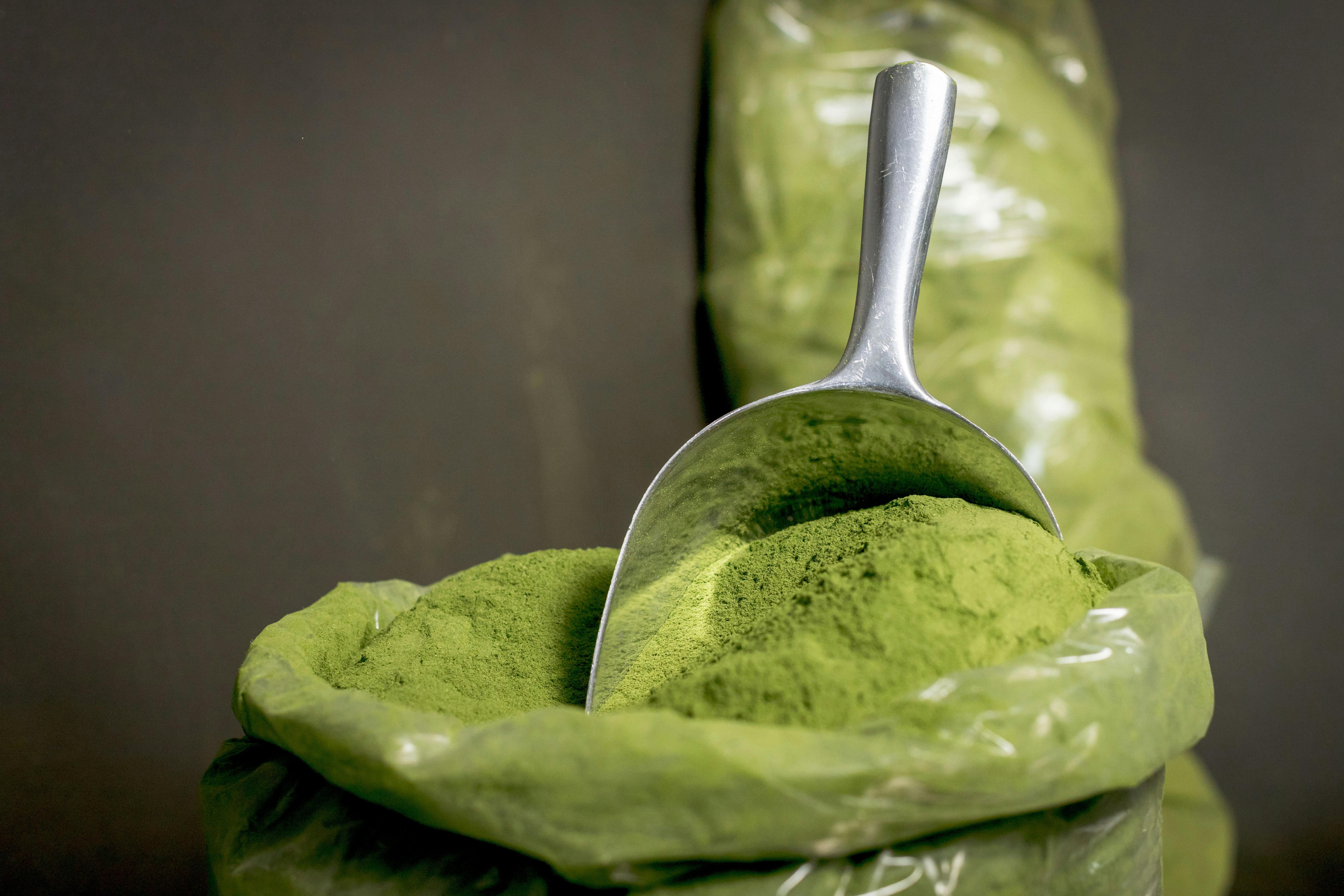
Can Moringa Help With Insomnia? South African Science Review
What Is Insomnia and How Common Is It in South Africa?
Insomnia is characterised by difficulty falling asleep, staying asleep, or waking up too early and being unable to return to sleep. The Mayo Clinic defines chronic insomnia as sleep problems lasting more than three weeks, often requiring professional intervention. South African sleep disorder data reveals concerning trends. International studies show sleep disturbance rates ranging from 4% in Kenyan men to 31% of South African women, highlighting significant gender and regional differences across the African continent.
How Does Moringa Potentially Support Better Sleep?
Moringa's sleep-supporting properties appear to work through several biological pathways:
GABA System Activation
A 2022 study published in PubMed demonstrated that moringa seed extract increased GABA levels while reducing glutamic acid in the hypothalamus of mice. GABA (γ-aminobutyric acid) is the brain's primary inhibitory neurotransmitter, promoting relaxation and sleep onset.
Stress and Inflammation Reduction
Moringa's adaptogenic properties may help address one of insomnia's root causes: chronic stress. The plant contains compounds that support healthy cortisol levels and reduce inflammation, both critical factors in sleep quality.
Blood Sugar Stabilisation
Unstable blood glucose can disrupt sleep patterns. Moringa has been shown to support healthy blood sugar levels, potentially preventing the midnight glucose spikes that can cause frequent awakening.
| Moringa Component | Sleep Mechanism | Research Status |
|---|---|---|
| Kaempferol | GABA receptor activation | Animal studies |
| Magnesium | Nervous system relaxation | Well-established |
| Tryptophan | Serotonin/melatonin production | Preliminary |
What Does Recent Scientific Research Show?
The most compelling evidence comes from recent animal studies: A comprehensive 2022 study found that moringa seed extract "could improve sleep by regulating GABAA-ergic systems" and encouraged further clinical trials for insomnia treatment. Another 2024 study using moringa seed essential oil showed significant improvements in sleep latency and duration in rats with induced insomnia. The researchers found that moringa "improves sleep by increasing GABA in the hypothalamus and reducing 5-HT levels in serum." Human research remains limited but promising. A 2025 case study documented a 52.38% improvement in sleep quality when a 60-year-old South African woman supplemented with 5g of moringa powder daily for two months.
How Should South Africans Use Moringa for Sleep Support?
Based on available research and traditional use patterns: **Timing**: Most studies suggest taking moringa 1-2 hours before bedtime to allow for absorption and metabolic processing. **Forms**: Moringa Utopia's Organic Moringa Leaf Powder offers a convenient way to incorporate moringa into an evening routine. The powder can be mixed with warm water or herbal tea. **Dosage**: Research studies have used varying amounts, from 2.5g to 5g daily. Starting with smaller amounts and gradually increasing allows you to assess individual tolerance. **Combination Approaches**: Moringa appears to work synergistically with other sleep-supporting practices like consistent bedtime routines, limiting screen time, and creating a calm sleep environment.
Are There Any Considerations or Contraindications?
While moringa is generally considered safe as a food supplement, several factors warrant consideration: **Medication Interactions**: Moringa may enhance the effects of sleep medications or other supplements. Consult with a healthcare professional if you're taking chronic medications. **Individual Response**: Sleep needs and responses to supplements vary significantly between individuals. What works for one person may not be optimal for another. **Quality Matters**: Moringa Utopia's single-source, organically grown moringa from their Limpopo farm ensures consistent quality and potency compared to imported alternatives. **Gradual Introduction**: Start with small amounts to assess how your body responds, particularly regarding digestive tolerance.
How Does Moringa Compare to Conventional Sleep Aids?
Unlike pharmaceutical sleep medications, moringa works by supporting the body's natural sleep mechanisms rather than forcing sedation. The Mayo Clinic emphasises that cognitive behavioural therapy is the first-line treatment for chronic insomnia, with supplements potentially playing a supporting role. Moringa's multi-system approach may offer advantages: - No dependency risk - Supports overall health while addressing sleep - May help address underlying causes like stress and inflammation - Provides nutritional support alongside sleep benefits
Frequently Asked Questions
How long does it take for moringa to affect sleep quality?
Based on available research, some people may notice improvements within a few days to a week of consistent use, though optimal results often require 2-4 weeks of regular supplementation.
Can I take moringa if I'm already on sleep medication?
Always consult with a healthcare professional before combining moringa with prescription sleep aids, as interactions may occur and medication adjustments might be necessary.
Is moringa safe for long-term use as a sleep aid?
Traditional use and current research suggest moringa is safe for extended use, but periodic evaluation with a healthcare provider is recommended, especially if you have underlying health conditions.
What's the difference between moringa leaves, seeds, and oil for sleep?
Most sleep research has focused on seeds and seed oil, which appear to have higher concentrations of sleep-promoting compounds like kaempferol. However, moringa leaves provide broader nutritional support that may indirectly benefit sleep quality.
Can moringa help with sleep problems related to menopause or age-related insomnia?
While specific research on moringa and hormonal sleep disruption is limited, its adaptogenic properties and support for overall health may be particularly beneficial for age-related sleep changes common in South African women over 45.
Moringa represents a promising natural approach to sleep support, particularly appealing to South Africans seeking alternatives to synthetic sleep aids. While more human clinical trials are needed to fully establish its efficacy, the combination of traditional use, emerging research, and moringa's excellent safety profile make it worth considering as part of a comprehensive sleep improvement strategy. Explore Moringa Utopia's range of organic moringa products to discover how this remarkable South African superfood might support your journey toward better sleep.
This article is for informational purposes only and does not constitute medical advice. Moringa oleifera is a food supplement, not a medicine. Always consult a qualified healthcare professional before changing your supplement routine, particularly if you are on chronic medication, pregnant, or breastfeeding.
%20may%20help%20improve%20sleep%20quality%20through%20multiple%20mechanisms,%20including%20increasing%20GABA%20production%20and%20supporting%20relaxation.%20While%20most%20stu...)